Spectra X portable DAC listening guide
Spectra X is an audio-focused homepage for listeners who want to understand portable DAC technology before choosing how to upgrade their headphones, earbuds or desktop listening setup. The project centers on NextDrive Spectra X, its compact Hi-Res audio design, its ESS SABRE DAC architecture and the way small headphone amplifiers can change everyday listening from a phone, laptop or tablet.
This page is written from an audio specialist perspective, with attention to real listening conditions rather than only product slogans. Spectra X is not a store checkout page and does not promise that one device will transform every headphone. It explains what the device is, what its technical strengths mean, where variants such as Spectra X2 and Maktar Spectra X2 fit into search intent, and what a careful listener should check before buying or comparing models.
What Spectra X Means in Portable Audio
A compact bridge between modern devices and better wired sound
Spectra X belongs to a category that solves one common problem: many modern phones and laptops are convenient music sources, but their built-in audio stages are not always built for clean, powerful, detailed headphone playback.
Dedicated conversion
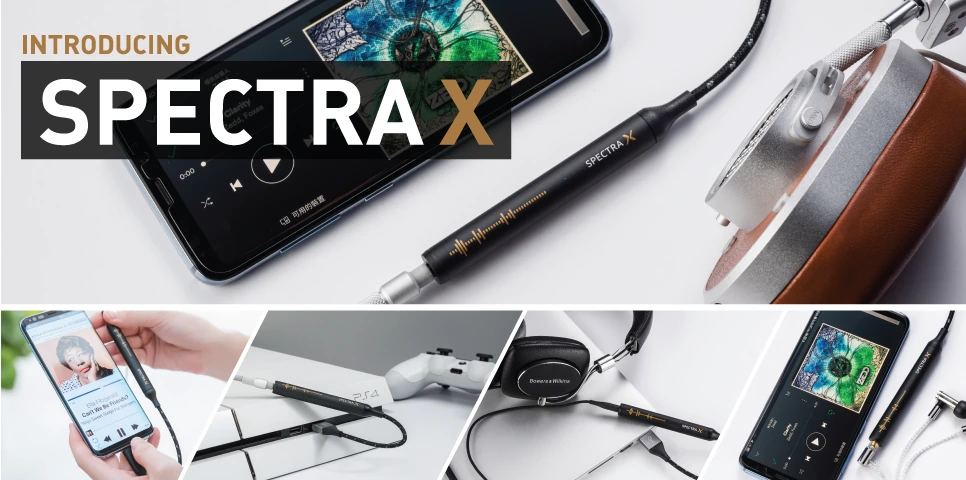
A portable DAC and headphone amplifier sits between the source device and the headphone. It receives the digital audio signal, converts it into analog sound, and drives the headphone through a dedicated output stage.
NextDrive Spectra X
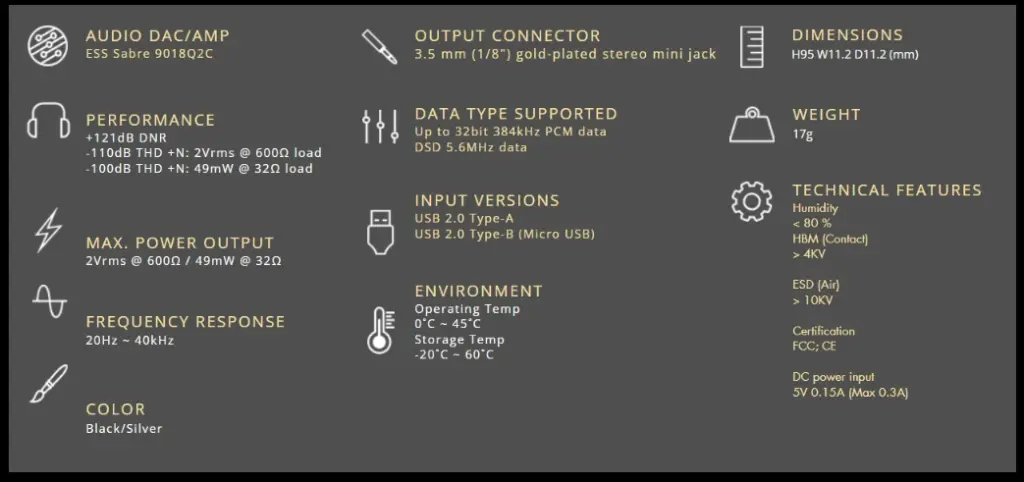
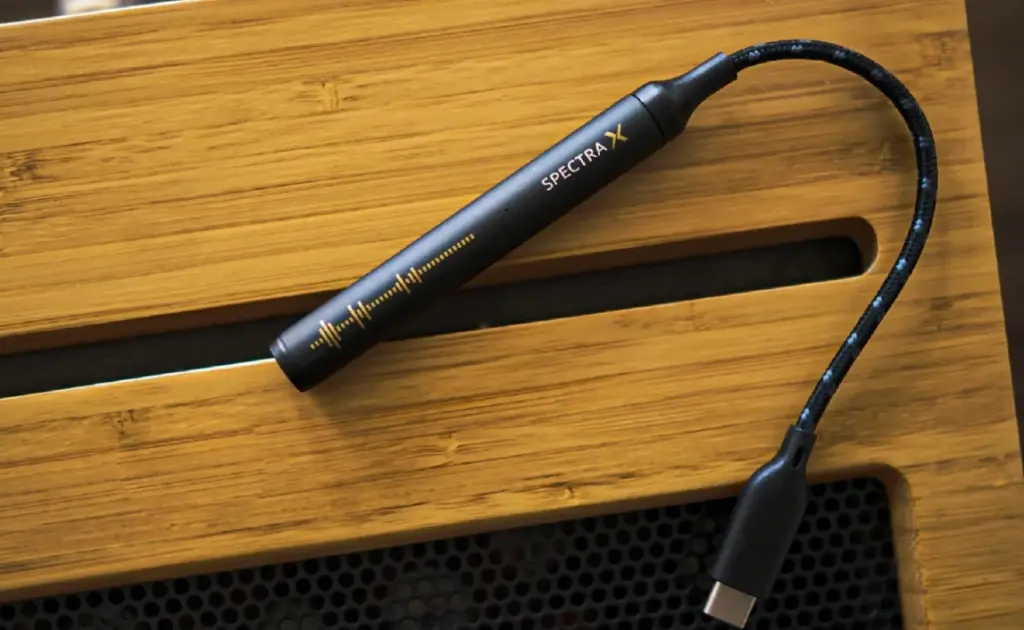
The original NextDrive Spectra X was positioned as an ultra-compact 32-bit / 384kHz portable DAC headphone amp with USB connectivity, 3.5 mm output and a dedicated ESS SABRE 9018Q2C DAC chip.
Search clarity
The keyword spectra x often appears beside searches such as nextdrive spectra x, spectrax, next spectra, spectra av and next drive because users are usually trying to identify the same compact audio product, compare naming variations or find compatible versions.
For a mobile listener, that matters because the upgrade does not require a full desktop audio stack. It can travel with a phone, tablet or laptop and keep the listening chain simple. This homepage treats those searches as part of one practical question: how does this portable DAC concept work, and what should a listener understand before relying on it as a daily audio upgrade?
Why a Small DAC Can Change Headphone Listening
A headphone can only reproduce the signal it receives. When the source has a noisy output, weak amplification or limited conversion quality, the headphone may sound flat, compressed, thin or uncontrolled even if the headphone itself is capable of better performance. A dedicated DAC/AMP such as Spectra X is designed to improve the conversion and output stage in a compact form.
The source material still matters. Lossless files, Hi-Res audio, well-mastered tracks and clean streaming settings give the DAC more meaningful information to process. Low-quality recordings will not become studio masters simply because they pass through a better converter. A good portable DAC is most useful when the listener already uses decent headphones or earphones and wants more clarity, cleaner separation, tighter bass control and a more stable stereo image.
Spectra X also fits people who move between devices. A user may listen from a laptop during work, a phone during travel and a tablet at home. The value of a lightweight DAC is that it keeps the audio chain familiar across those situations. Instead of changing the whole listening setup, the listener carries the conversion and amplification stage with them.
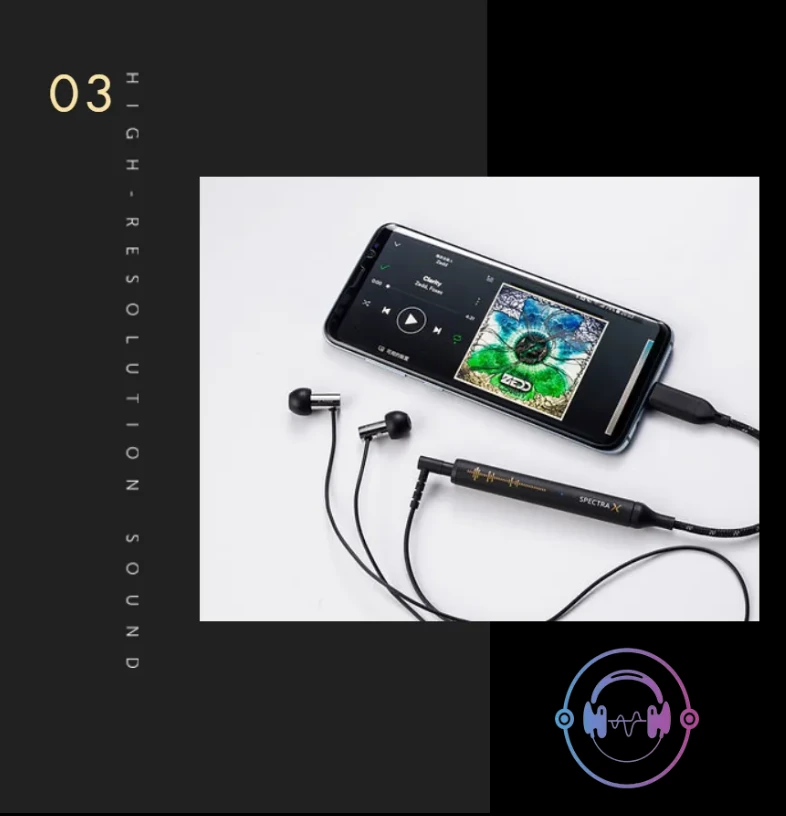
Check the signal chain before choosing a portable DAC.
NextDrive Spectra X Technology and Sound Priorities
ESS SABRE architecture, Hi-Res support and real-world matching
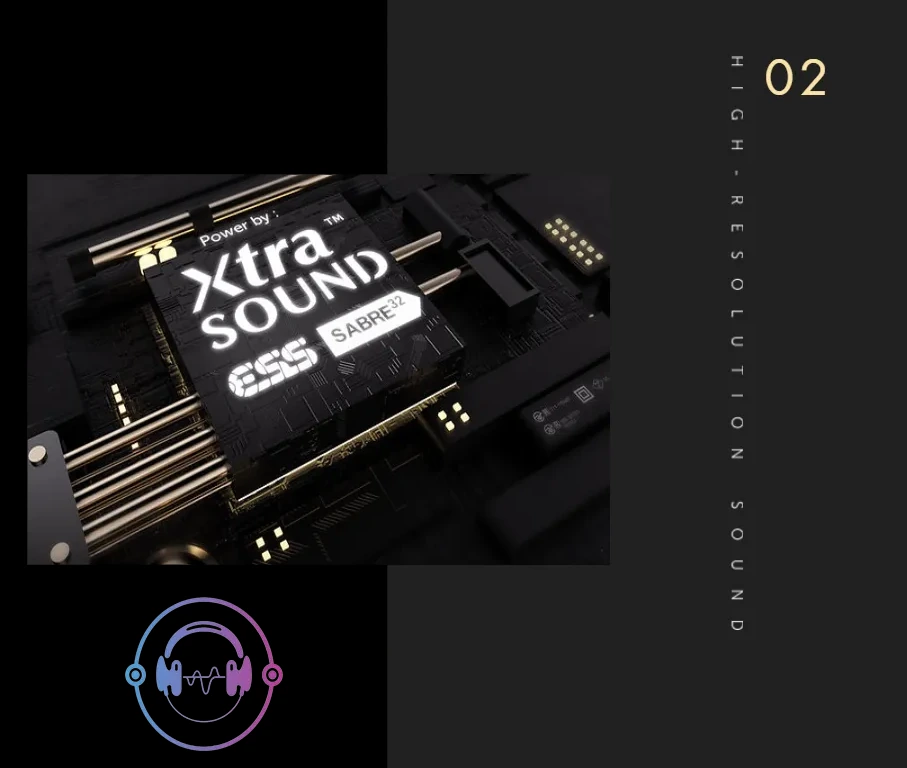
The technical identity of NextDrive Spectra X is built around the ESS SABRE 9018Q2C DAC chip. In portable audio, chip choice does not tell the whole story, but it does indicate the design goal. The 9018Q2C is associated with compact DAC/AMP applications where low noise, high dynamic range and detailed conversion are important.
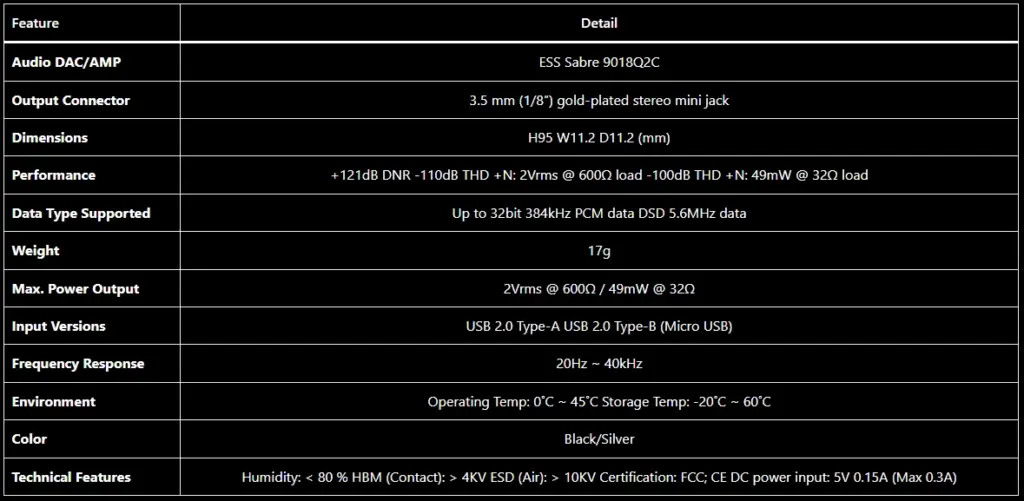
According to the source specification, Spectra X supports up to 32-bit / 384kHz PCM data and DSD 5.6MHz data. These numbers show that the device is designed for Hi-Res playback formats beyond standard compressed audio. For most users, the practical value is not the number itself. The real value is that the device is not the obvious bottleneck when playing high-quality files from a compatible source.
The listed performance figures include +121dB dynamic range, low THD+N values, 2Vrms output at 600Ω load and 49mW at 32Ω load. In listening terms, these figures point toward a clean output stage, enough voltage for many efficient headphones and enough current for many portable earphones. They do not guarantee perfect matching with every demanding headphone, but they support the role Spectra X was built for: compact, high-quality mobile listening rather than full-size desktop amplification.
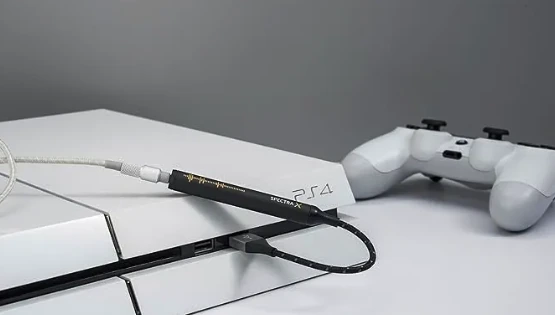
The 3.5 mm gold-plated stereo mini jack keeps the device compatible with many wired headphones, IEMs and active speaker inputs. That is important because many users searching for nextdrive spectra(type c black), nextdrive spectra(micro usb or spectra x2 are trying to solve connector compatibility first. A DAC can be technically strong and still be the wrong choice if the input version does not match the phone, tablet or computer without adapters.

Core specification
32-bit / 384kHz portable DAC/AMP
Image slot 06
XtraSOUND and the Idea of a Live Listening Feel
The original Spectra X material describes XtraSOUND™ as a sound technology intended to reduce distortion and preserve the character of the recording. On a homepage, this claim should be understood carefully. Distortion reduction is meaningful because unwanted distortion can blur detail, harden treble, weaken imaging or make dense music feel less organized. A cleaner signal can make vocals, cymbals, bass lines and room ambience easier to follow.
The phrase “live experience” should not be read as a promise that every track will sound like a concert. A live feeling depends on recording style, mastering, headphone tuning and listening volume. What Spectra X can reasonably contribute is a cleaner path from digital file to headphone driver. When the DAC and amplifier stage avoid obvious noise and distortion, the listener has a better chance of hearing small details that were already present in the recording.
This is especially relevant for acoustic music, jazz, classical recordings, vocal tracks, live sessions and well-produced electronic music. In those genres, small timing cues, spatial reflections and texture changes can carry much of the emotional impact. A compact DAC does not create those cues from nothing. It helps avoid losing them in a weak source output.

How Spectra X Fits Phones, Laptops and Travel Listening
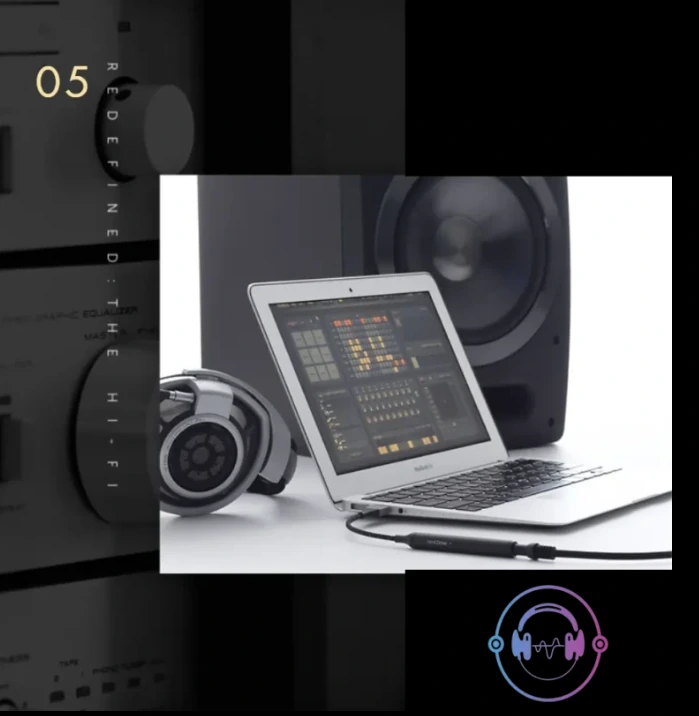
One reason portable DACs became popular is that many devices removed or weakened traditional headphone outputs. Users who still prefer wired headphones need a clean bridge between modern digital ports and analog listening gear. Spectra X answers that need with a small body, a direct connection style and a weight of about 17g in the source specification.
For commuting, travel and office use, the advantage is practical. A large desktop DAC may offer more power and more inputs, but it is not something most people carry. Spectra X is closer to a cable-sized audio component. It can stay in a laptop pouch, headphone case or travel bag and come out only when the user wants better wired sound.
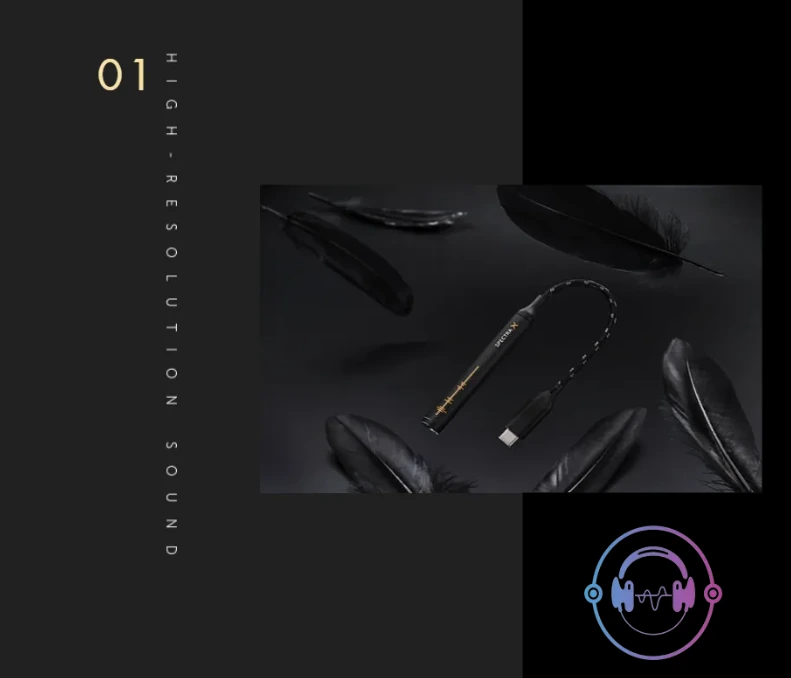
The aluminum body also has a functional role. The original source connects the body design with reduced interference and a cleaner experience around connected devices. For everyday users, the important point is durability and low friction: the device should not feel like a fragile studio accessory that makes mobile listening harder. A good portable DAC has to sound better without making the setup annoying.
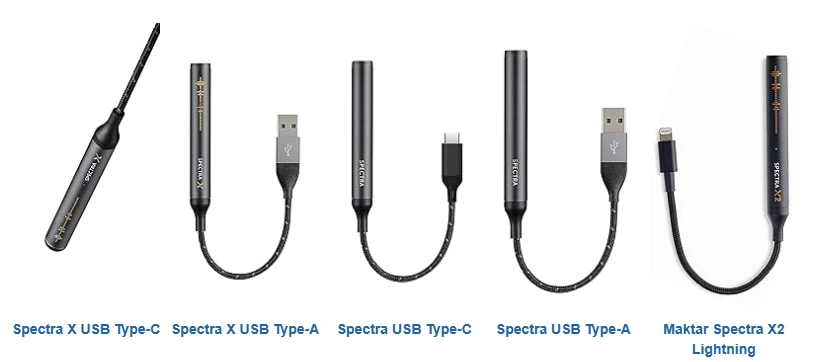
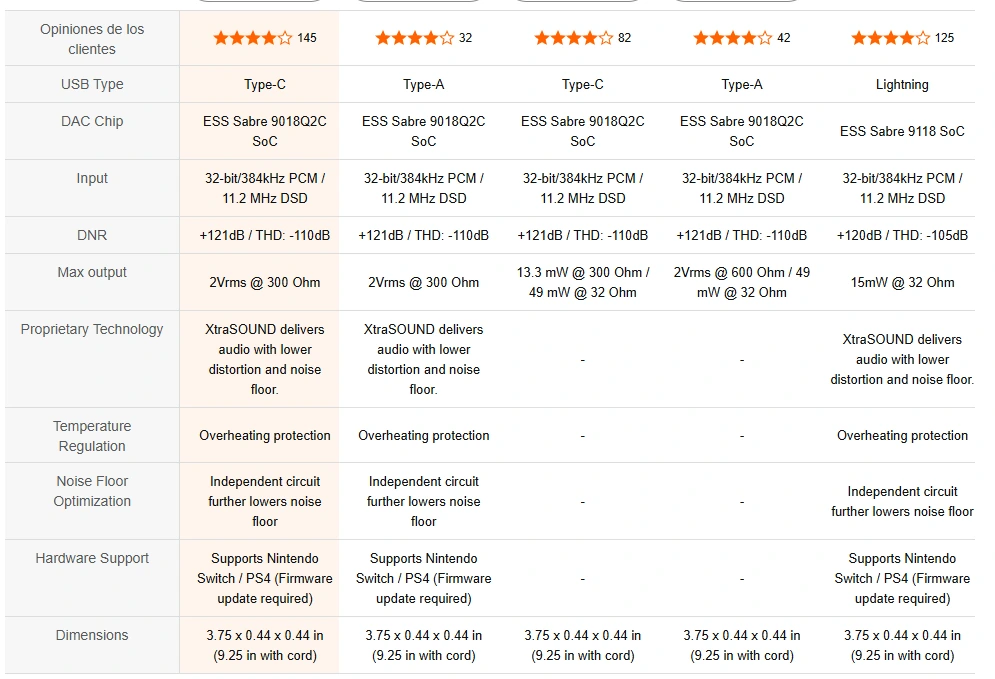
Spectra X, Spectra X2 and Search Confusion
Editorial Method for Audio Evaluation
Judge the portable DAC as part of daily listening, not only as a specification sheet
The main audience includes:
- wired headphone users who want better sound from mobile devices;
- laptop listeners who hear noise, weak volume or flat detail from built-in outputs;
- Hi-Res audio users who want a compact DAC for PCM or DSD playback;
- buyers comparing NextDrive Spectra X, Spectra X2 and similar portable DACs;
- listeners who prefer practical sound guidance over vague “premium audio” claims.
The editorial approach behind this homepage is based on how audio gear is actually used. A portable DAC is not judged only by its specification sheet. It must be evaluated through connection reliability, headphone matching, noise behavior, volume control, heat, portability, cable stress and how naturally it fits into daily listening.
The source material includes references to external praise from audio reviewers and a Good Design Award 2018 mention. Those signals may support interest in the device, but they are not enough by themselves. A serious audio page should separate recognition, marketing language and user value. Design awards speak to industrial design and usability. Review quotes can highlight perceived sound quality. Technical data explains capability. Actual suitability still depends on the listener’s source device and headphone load.
A practical Spectra X evaluation should ask five questions before any purchase decision:
- Does the connector match the phone, tablet or laptop without unreliable adapters?
- Are the headphones efficient enough for the listed output power?
- Is the listener using audio files or streaming settings that benefit from a better DAC?
- Does the portable design fit the daily use case without cable strain?
- Is the specific version being compared the original Spectra X, Spectra X2 or another similarly named product?
That method keeps the focus on real listening rather than brand repetition.
Portable Audio Notes
Latest guides for cleaner mobile listening
Future posts will appear here as a 3 by 2 editorial grid with a featured image, title, date and short excerpt for each article.
-

JBL Endurance Peak 3 Review: The Truth About These Sport Earbuds
True wireless earbuds built specifically for sport are a different category from regular TWS models — the priorities shift toward secure fit,…
-
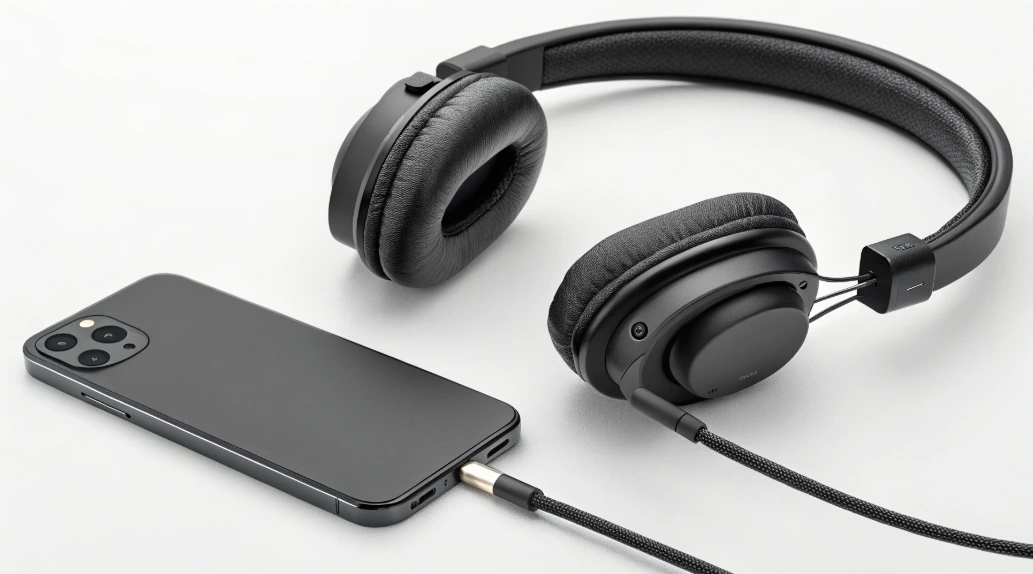
Best Wired Headphones for iPhone 17: USB-C Picks That Actually Sound Better Than AirPods
The shift to USB-C on the iPhone 17 finally opens up wired audio options that Lightning users spent years working around. No…
-
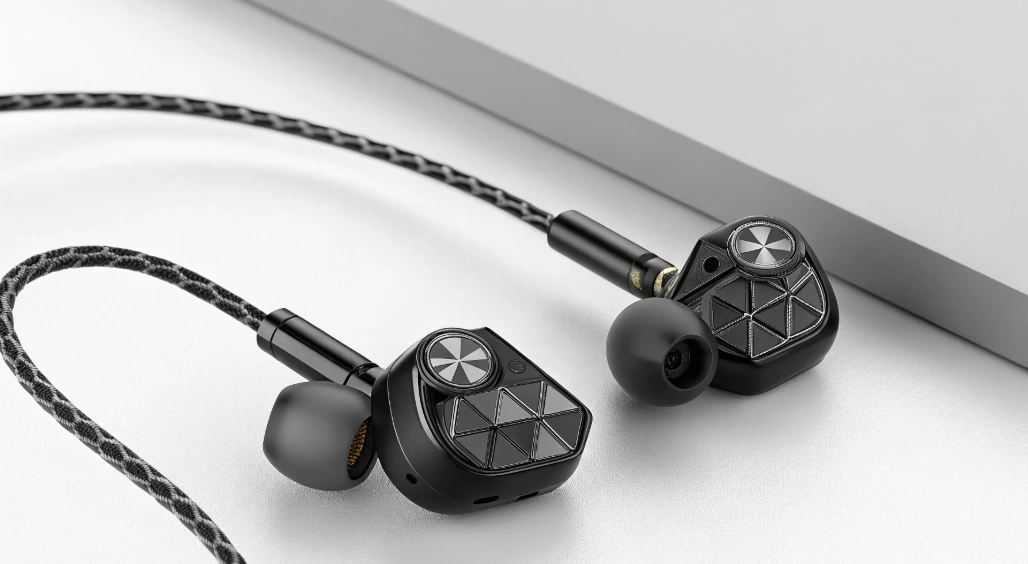
Best IEMs for Gaming in 2026: Picks That Actually Work for Competitive and Immersive Play
In-ear monitors aren’t the first thing most gamers consider — bulky over-ear headsets dominate the category. But IEMs offer real advantages: better…
-

JBL Tune 720BT Review: Honest Take on the Budget Wireless Headphones
The JBL Tune 720BT sit in one of the most competitive segments of the wireless headphone market — the $80–100 over-ear tier,…
-
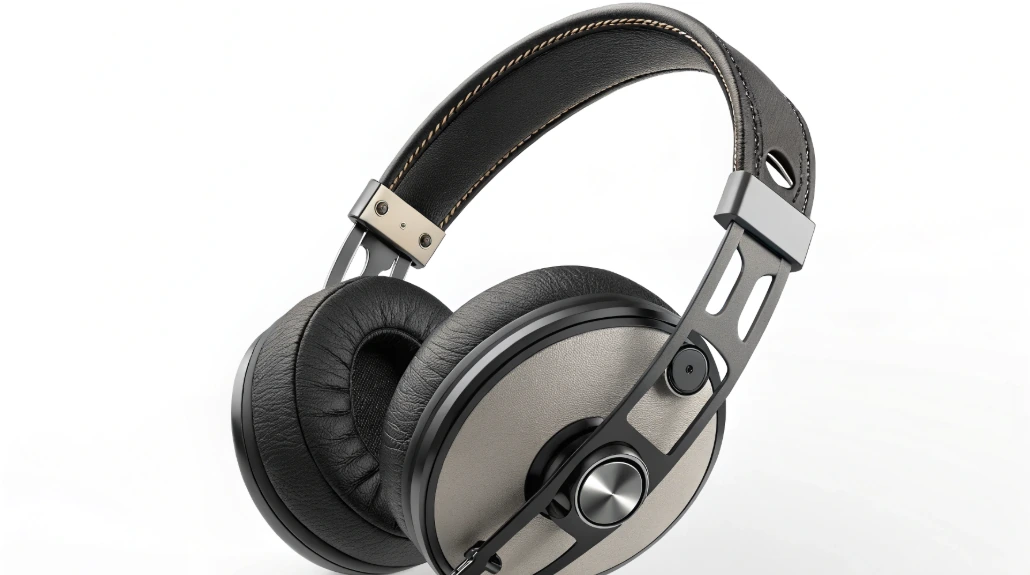
Sennheiser Momentum 5: What to Expect From the Next Flagship and Whether It’s Worth Waiting
Speculation around the Sennheiser Momentum 5 rests on analysis of the previous generation’s weak spots and market pressure rather than on any…
-
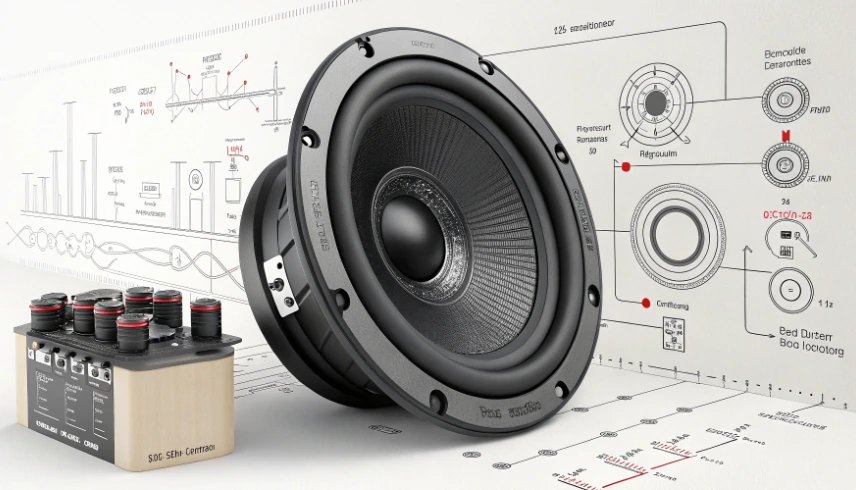
Subwoofer Specs Face Scrutiny After 40-Driver Klippel Test Project
A major car audio testing project has put the subwoofer market under pressure by showing how far some published specifications can drift…
Using Spectra X as a Starting Point for Better Audio
Spectra X is best understood as a compact bridge between convenience and higher-quality wired sound. It gives mobile users a way to move beyond weak built-in audio without carrying a full amplifier stack. Its identity comes from small size, ESS SABRE conversion, Hi-Res format support, 3.5 mm output and a design made for daily movement.
For a new visitor, the best path through this site is simple. Start with the technology, then check compatibility, then compare versions, then think about headphones. A listener using basic earbuds may hear some improvement, but the strongest benefit usually appears when the headphone or IEM is capable enough to reveal cleaner conversion and stronger output control.
Spectra X, NextDrive Spectra X and Spectra X2 searches often begin with product curiosity. This homepage turns that curiosity into a clearer audio decision. The device is not magic, and it is not the only portable DAC worth considering. Its value is in showing how much careful engineering can fit into a very small audio tool when the goal is better mobile listening, not louder marketing.